

Your mouth is home to billions of bacteria—some beneficial and others responsible for plaque, bad breath, tooth decay, and gum disease. While brushing and flossing remain essential, many people are now turning to herbs for oral health to naturally support healthier gums and fresher breath.
For centuries, herbal remedies have been used in traditional medicine to soothe irritated gums, freshen breath, and promote oral hygiene. Today, many modern oral care products incorporate these botanical ingredients because of their long history of use and growing scientific interest.
One product that has gained attention is Natures Smile, a herbal gum balm formulated with plant-based extracts to complement your daily oral care routine.
In this guide, you’ll discover the best herbs for oral health, how they work, and why herbal oral care is becoming increasingly popular.
Why Herbs Have Been Used for Oral Health for Centuries
Long before commercial toothpaste existed, people relied on medicinal plants to clean their teeth and care for their gums.
Traditional healing systems across Asia, Europe, and the Middle East commonly used herbs to:
- Support healthy gums
- Freshen breath naturally
- Reduce plaque buildup
- Soothe irritated oral tissues
- Promote overall oral hygiene
Today, researchers continue studying many of these herbs because they naturally contain antioxidants, essential oils, flavonoids, and plant compounds that may contribute to oral wellness when used alongside good dental hygiene.
What Readers Are Really Looking for When They Search “Herbs for Oral Health“
This keyword usually reflects more than curiosity. It often signals one of these reader intents:
- They want natural support for gum problems
- They are looking for plant-based oral care products
- They prefer herbal ingredients over harsh-feeling formulas
- They want fresher breath and healthier-looking gums
- They are interested in gum support products like Natures Smile
What Herbs Can and Cannot Do for Your Mouth
A lot of low-quality content online makes it sound like herbs can rebuild gums overnight or cure serious dental problems at home. That is not a trustworthy way to write.
Here is the more accurate view:
Herbal ingredients may help support a soothing oral care routine, fresher breath, or a cleaner mouth-feel. Some are traditionally used for inflammation-related concerns or general wellness. But if someone has active gum disease, tartar buildup, painful swelling, loose teeth, or ongoing bleeding, they need proper dental evaluation. The ADA and Cleveland Clinic both emphasize that plaque control, brushing, flossing, and professional treatment when needed are what protect long-term gum health.
Best Herbs for Oral Health
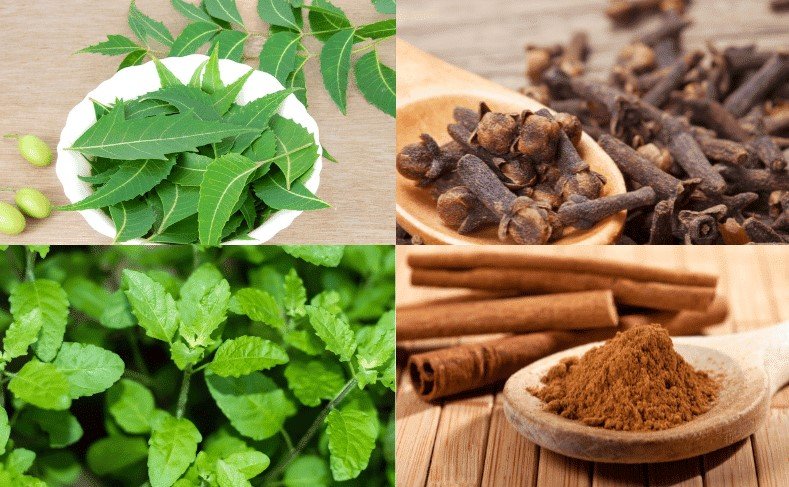
1. Chamomile
Chamomile is widely recognized for its calming properties and has been traditionally used to soothe irritated gums.
Potential benefits include:
- Supports healthy gum tissue
- Helps calm minor oral irritation
- Promotes overall oral comfort
2. Sage
Sage has been used for generations as a natural mouth cleanser. Many herbal oral care products include sage because it may help:
- Encourage a cleaner mouth
- Maintain fresh breath
- Support gum health
3. Myrrh
Myrrh has a long history in traditional dental care. It is commonly included in herbal formulations because it may help:
- Support healthy gums
- Maintain oral cleanliness
- Promote overall oral wellness
4. Oak Bark
Oak Bark contains natural tannins that have traditionally been used to strengthen gum tissue.
It is frequently included in herbal gum care products designed to support healthier gums.
5. Peppermint
Peppermint is one of the most popular herbs for oral care. Besides providing a refreshing taste, peppermint is widely used to:
- Freshen breath
- Promote a clean feeling
- Enhance daily brushing routines
6. Echinacea
Echinacea is best known for supporting immune health, but it also appears in many herbal oral care formulas because of its traditional use in maintaining healthy tissues.
7. Tea Tree Oil
Tea tree oil is often mentioned in natural personal care because of its cleansing reputation. Some oral care products use tea tree oil in diluted formulas for gum-focused routines. But it is important to be careful here. NCCIH notes that tea tree oil has safety considerations and that herbal products can interact with medicines or cause side effects, so people should talk with a healthcare provider before using herbal products regularly.
8. Clove
Clove has a long history in oral care discussions, especially because many people associate it with soothing mouth discomfort. Even when readers are specifically searching for herbs for oral health, they are often also looking for remedies that feel calming or protective.
9. Peppermint
Peppermint is widely associated with fresh breath and that clean-mouth feeling many users want from oral care products. It is especially popular in herbal rinses, balms, and mouth-freshening formulas. While fresh breath alone does not equal healthy gums, products that leave the mouth feeling refreshed may help support routine consistency.
10. Myrrh
Myrrh is another botanical ingredient that often shows up in traditional oral care products. It has a long history of use in herbal preparations, which makes it relevant for readers exploring plant-based gum care. Because many people searching this keyword are looking for traditional or natural options, myrrh belongs in the conversation.
11. Green Tea
Green tea is more often thought of as a beverage than a gum-care herb. It is one of the more familiar plant ingredients readers may already be using. But there is an important safety point here: NCCIH notes that green tea at high doses, especially in extract form, can interact with some medications.
7. Iceland Moss
Although less well known, Iceland Moss has been used traditionally to soothe sensitive tissues and is often included in premium herbal oral care products.
Benefits of Using Herbs for Oral Health
When combined with proper brushing and flossing, herbal ingredients may offer several advantages.
Supports Healthy Gums
Healthy gums provide the foundation for strong teeth. Many botanical ingredients are traditionally used to help maintain gum comfort and overall oral wellness.
Freshens Breath Naturally
Unlike products that simply mask odors, herbs such as peppermint and sage help leave your mouth feeling naturally fresh.
Gentle on Sensitive Mouths
Many people prefer herbal products because they avoid some of the harsher ingredients commonly found in conventional oral care products.
Encourages Better Oral Hygiene
Adding herbal products to your routine often encourages more consistent oral care habits, which is one of the biggest contributors to long-term dental health.
Can Herbs Help with Gum Health?
One of the most common reasons people search for herbal oral care is gum health. Bleeding gums, tenderness, and mild irritation are often early signs that your gums need better care.
Although herbs are not a replacement for professional dental treatment, many people use botanical products to complement their existing oral hygiene routine.
Maintaining healthy gums generally involves:
- Brushing twice daily
- Daily flossing
- Professional dental cleanings
- Eating a balanced diet
- Using supportive herbal oral care products
How to Use Herbs for Oral Health the Smart Way

The best way to use herbs for oral health is not to abandon normal dental care. It is to build a layered routine where herbal support sits on top of the basics.
Start with the non-negotiables
Brush twice daily with a fluoride toothpaste. Clean between your teeth every day. See a dentist regularly. Cleveland Clinic says proper oral hygiene is the key to keeping teeth and gums in good condition, and the ADA emphasizes that plaque control is central to oral health.
Add herbal products as support
Herbal balms, rinses, or plant-based oral care formulas may be added if they help you stay consistent and feel more proactive about gum care.
Stay realistic
Herbs may help support your routine, but they do not remove tartar, fix deep pockets, or replace professional treatment for periodontal disease. Periodontitis is driven by plaque and tartar that build up below the gum line, where home care alone may not be enough.
Natures Smile: A 100% Natural Herbal Solution for Everyday Gum Care
Among the many herbal oral care products available today, Natures Smile stands out because it focuses specifically on gum health rather than simply cleaning teeth. Instead of functioning like ordinary toothpaste, Natures Smile is a concentrated herbal gum balm applied directly to the gumline.
It is an all-natural gum-care solution for people dealing with receding gums, bleeding gums, gingivitis, bad breath, and other periodontal-related symptoms. Its formula includes several well-known botanical ingredients, including:
- Oak Bark
- Chamomile
- Sage
- Myrrh
- Peppermint Oil
- Echinacea
- Iceland Moss
- Silver Fir Extract
These ingredients have traditionally been used to support healthier gums, promote oral cleanliness, and freshen breath naturally.
Many users choose Natures Smile because it easily fits into their daily brushing routine while providing a plant-based alternative to conventional oral care products.
For readers who prefer natural oral care, Natures Smile can be positioned as a herbal support product that complements a smart gum-care routine. Natures Smile may be a valuable addition for people who want a 100% natural herbal formula alongside regular brushing, flossing, and ongoing dental care.
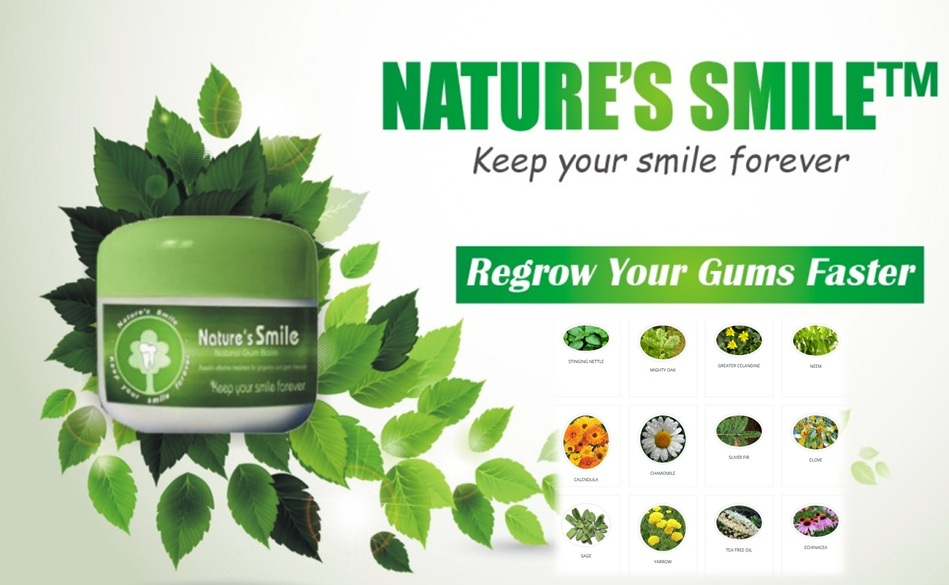
Why Natures Smile Stands Out
Many herbal toothpastes contain small amounts of botanical extracts, but Natures Smile takes a different approach.
Instead of being a traditional toothpaste, it is a concentrated herbal gum balm designed to be applied directly along the gumline, where plaque and bacteria often accumulate.
Its formula combines several herbs traditionally associated with oral wellness, including:
- Oak Bark
- Chamomile
- Sage
- Myrrh
- Peppermint Oil
- Echinacea
- Iceland Moss
- Silver Fir Extract
This concentrated application helps make Natures Smile a unique addition to a daily oral care routine for people seeking a plant-based solution.
Herbal Oral Care vs. Conventional Oral Care
| Feature | Herbal Oral Care | Conventional Oral Care |
|---|---|---|
| Plant-Based Ingredients | ✅ Yes | Varies |
| Supports Gum Health | ✅ Often | Depends on Formula |
| Freshens Breath | ✅ Yes | ✅ Yes |
| Suitable for Daily Use | ✅ Yes | ✅ Yes |
| Focus on Natural Ingredients | ✅ Yes | Not Always |
Both approaches have their place. Conventional products are effective for routine dental care, while herbal products can provide additional support for people who prefer natural ingredients or want to focus more on gum health.
A Better Daily Routine for Healthier Teeth and Gums
Readers often make one mistake with herbal oral care: they expect the herb or product to do all the work. That usually leads to disappointment.
A better message is simple. Use herbs and herbal products as part of a daily system.
If someone wants to combine standard oral hygiene with herbal gum support, this is a simple routine that makes sense:
In the morning, brush thoroughly and gently along the gumline. During the day, stay aware of gum irritation, bad breath, or bleeding when eating or brushing. At night, brush again, floss carefully, and follow with a gum-support product if that fits your routine. Since Natures Smile’s own website recommends using it after normal brushing and at least twice daily, it naturally fits this kind of step-by-step oral care plan.
Trusted Resources
- American Dental Association (ADA): https://www.ada.org
- National Institute of Dental and Craniofacial Research (NIDCR): https://www.nidcr.nih.gov
- MedlinePlus – Oral Health: https://medlineplus.gov/oralhealth.html
- World Health Organization (WHO) – Oral Health: https://www.who.int/health-topics/oral-health
- PubMed: https://pubmed.ncbi.nlm.nih.gov
Final Thoughts
The best content on herbs for oral health does not pretend herbs can do everything. It shows readers how to use herbal support intelligently. Some botanical ingredients may fit well into a natural oral care routine, especially for people who want fresher breath, more intentional gum care, or a plant-based product option. But long-term oral health still depends on plaque control, daily hygiene, and dental care when symptoms persist. —
That is where Natures Smile fits best: not as a stand-alone miracle, but as a natural herbal support product that may complement a strong home routine for readers who want a more botanical approach to gum care.
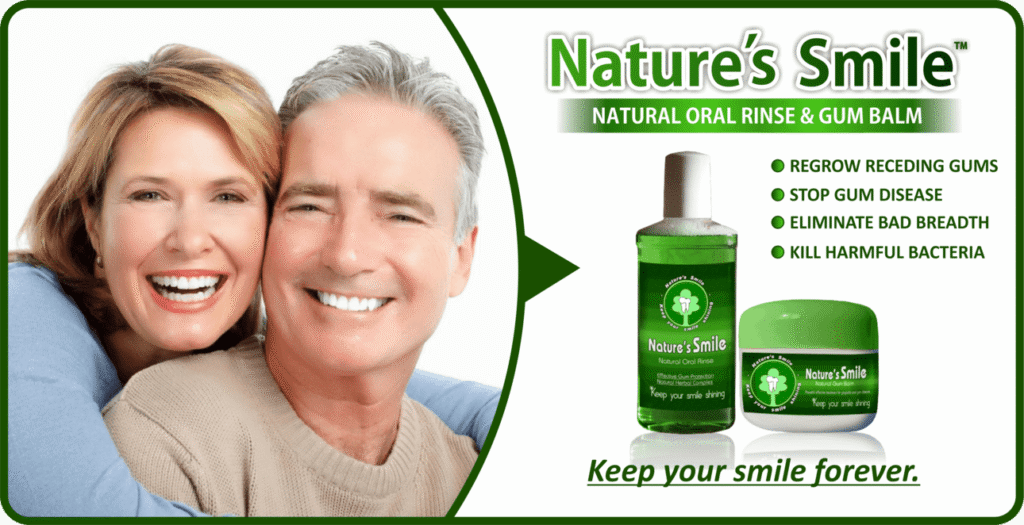
🌱 Start Your Journey to Healthier Gums Today—Click Here to Get Nature’s Smile Now!