
Event spaces in the UK rarely stay the same for long. One week a venue hosts a small awards evening, the next week a conference, and soon after a theatre performance or school production. That constant change is exactly why modular stage systems have become the most practical staging solution. They’re flexible, portable, and built to adapt — without the cost or complexity of permanent structures.
This guide explains what modular staging is, how it works, and what UK buyers should consider before choosing a system — whether you’re operating a school, council venue, theatre, church, hotel, or touring production.
What Is a Modular Stage System?
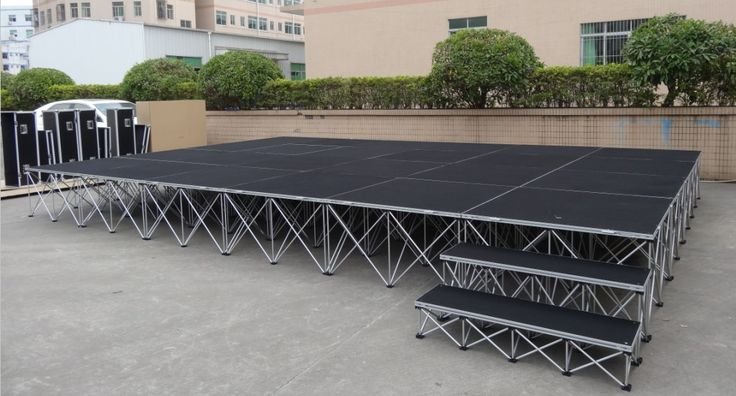
A modular stage system is made from multiple lightweight platforms (or “decks”) that securely lock together to create a stable performance surface. Because the system is built from sections, it can be:
- Extended or reduced in size
- Re-shaped to suit the layout
- Raised or lowered to different heights
- Dismantled and stored after use
So instead of owning several different stages, you use one modular system that adapts to every event. This makes modular staging especially popular in the UK where venues are often multi-purpose and space is at a premium.
Why UK Venues Prefer Modular Stage Systems
Flexibility for Different Event Types
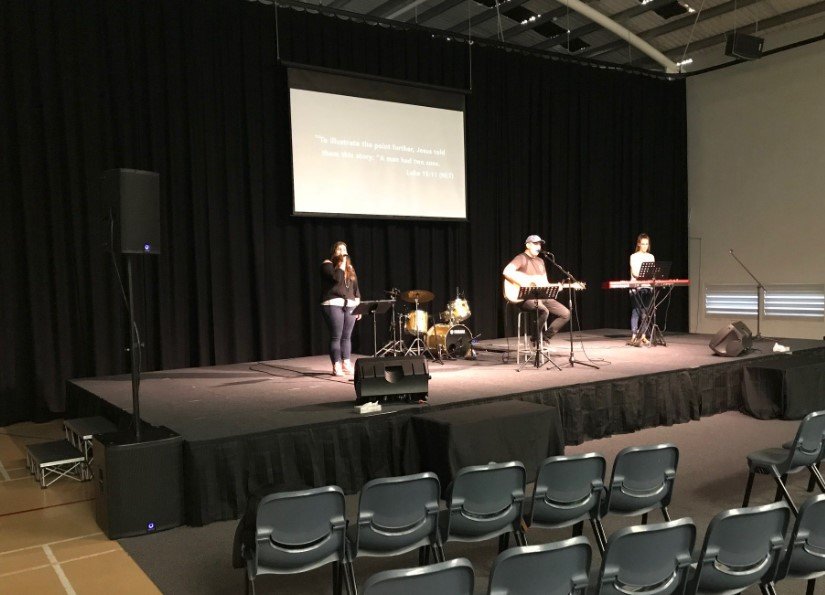
A single Modular Stage Platform can support:
- School assemblies and plays
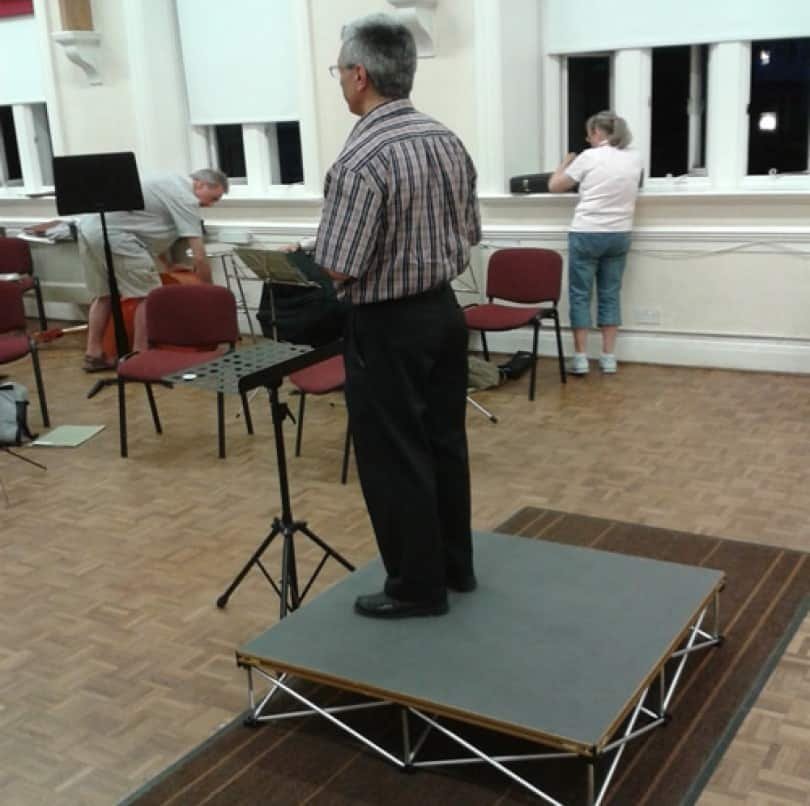
- Choirs and concerts
- Corporate conferences and presentations
- Worship services
- Exhibitions and trade shows
- Fashion shows
- Weddings and award ceremonies
Layouts change — the staging simply adapts with them.
Easy Transport and Space-Saving Storage
Many UK venues operate in tight storage conditions. Because modular stages break down into stackable units, they:
- Fit into cupboards or store rooms
- Load easily into vans
- Reduce transport and handling time
This is particularly useful for touring groups, councils, schools, and community venues.
Faster Setup With Smaller Teams
Well-designed modular systems use:
- Tool-free locking
- Repeatable platform layouts
- Clearly labelled components
Meaning non-technical staff can assemble them safely and consistently.
Long-Term Cost Efficiency
Instead of replacing an entire stage as needs change, you simply add more modules or adjust height. That makes modular systems one of the most cost-effective long-term investments available to UK venues.
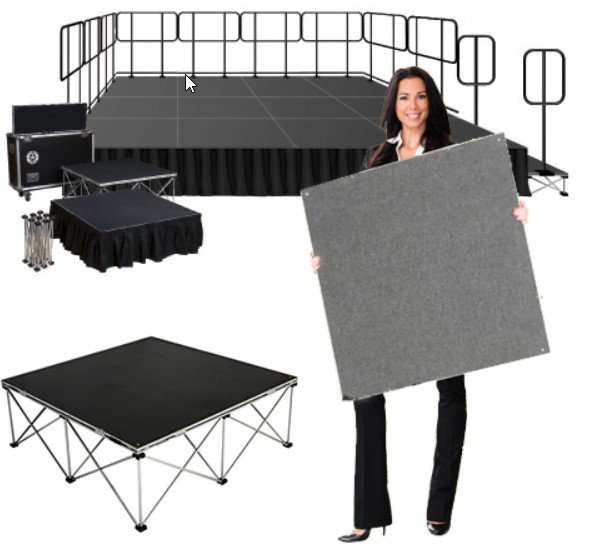
The Core Parts of a Modular Stage System
Understanding the components helps when comparing systems.
Stage Decks / Platforms
These form the walking surface. Look for:
- Strong load capacity
- Non-slip finishes
- Smooth edging
- Durable construction
A good platform should feel solid and quiet underfoot.
Connection or Locking System
This ensures each platform locks securely to prevent movement. Quality connection systems reduce vibration and noise during performances.
Stage Legs or Riser Frames
These support the platform at the correct height and may be:
- Fixed height
- Adjustable
- Foldable
Adjustable legs are especially useful on uneven floors, which are common in older UK halls and community venues.
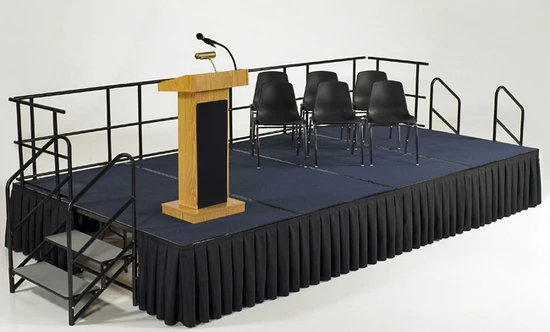
Guardrails, Steps and Ramps
These are essential for public safety and accessibility compliance, particularly for elevated or multi-level stages.
A Practical Buyer Guide for Modular Stage Systems
Choosing the right system is about matching staging capability to real-world use — not just comparing prices. Here are the key factors UK buyers should review.
Step 1 — Define the Event Environment
Start with the basics:
- Will the stage stay installed or move regularly?
- How many people will set it up?
- What type of performances or presentations will take place?
- Will it support equipment such as lecterns, drum kits, or amps?
- How much storage space is available?
A touring production team needs a different setup compared to a primary school hall — even if both require flexibility.
Step 2 — Check Compliance and Load Safety
Public venues must meet UK safety standards. Before purchasing, confirm:
- Load-bearing capacity
- Frame stability
- Fire-retardant finishes where applicable
- Documented certification
This protects users — and supports venue inspections and insurance compliance.
Step 3 — Assess Compatibility With Your Venue
Think about how the system will work in reality:
- Uneven floors
- Narrow doorways
- Stairs or limited vehicle access
- Ceiling height
- Lighting and projection use
If you regularly move staging between rooms, portability becomes even more important.
Step 4 — Review Transport and Storage Requirements
Ask suppliers for:
- Packed dimensions
- Weight per module
- Storage and trolley options
Lightweight modular units reduce staff strain and long-term risk.
Step 5 — Consider Acoustic and Performance Stability
In theatres and music venues, sound and vibration control matter. A quality modular stage should be:
- Stable
- Non-creaking
- Resistant to flexing
Performers should feel confident moving across the surface.
Step 6 — Think Long-Term, Not Just Short-Term Cost
A cheaper stage may cost more over time if:
- Components cannot be replaced
- Height isn’t adjustable
- Additional modules don’t integrate
Modular expandability protects future budgets.
Common Buyer Mistakes — and How to Avoid Them
Even experienced event teams sometimes face challenges when staging choices are rushed.
Typical mistakes include:
❌ Buying a stage that isn’t compatible with ramps or rails
❌ Choosing non-adjustable legs for uneven floors
❌ Underestimating storage requirements
❌ Ignoring load limits
❌ Selecting systems without safety certification
The simplest solution is to evaluate the whole system — not just surface platforms.
Checklist for Purchasing a Modular Stage System
Before ordering, confirm:
✔ Intended use and environment
✔ Required height and size configurations
✔ Load and safety certification
✔ Surface finish and non-slip properties
✔ Step, rail and ramp compatibility
✔ Storage and transport plan
✔ Setup training and documentation
This ensures consistency across different venues, departments, or production teams.
Who Gains the Most From Modular Stage Systems?
Schools & Colleges
One system supports assemblies, performances, exams, open days, and award ceremonies — reducing ongoing hire costs.
Hotels & Conference Venues
Layouts change daily. Modular staging adapts to clients — not the other way round.
Churches & Community Halls
Multi-purpose spaces benefit from lightweight, easy-to-store modules.
Touring & Production Companies
Fast setup, repeatable layouts, and compact storage are essential.
Local Authorities & Public Venues
Compliance, documentation, and value over time are critical — and modular staging ticks all three.
Accessibility and Inclusive Stage Design
UK venues must consider access for all users. A compliant system should support:
- Secure ramps
- Edge protection
- Stable, shallow-rise steps
- Non-slip finishes
Accessibility shouldn’t be an add-on — it should be built into staging design from the beginning.
How Modular Stages Integrate With Other Event Systems
Modular staging works seamlessly with equipment such as:
- Choir risers
- Speaker podiums
- Stage podiums
- Portable risers
- Medal and awards platforms
- Stage backdrops and curtain systems
Choosing systems designed for complete staging environments improves safety and efficiency.
Also Read: Choir Risers for Schools UK Guide to Safe Setup and Easy Storage
Maintenance and Care — Extending Service Life
To keep your system safe and reliable:
- Inspect connectors regularly
- Store platforms in dry, secure spaces
- Avoid dragging units
- Train staff in correct handling
- Keep manuals and documentation available
Well-maintained systems can deliver years of consistent performance.
Final Thoughts: Why Modular Stage Systems Are the Future of UK Events
Modular stage systems solve the biggest challenge UK venues face — constant change. They provide a flexible, scalable, and safe staging platform that adapts to every event, supports accessibility, and protects long-term budgets. When evaluated as a complete system rather than just a collection of platforms, modular staging becomes a strategic asset, not just equipment.
If you’re currently reviewing modular stage options or planning to upgrade your existing setup, take the next step with confidence.
👉 Read our in-depth guide to Modular Stage Systems — and learn exactly how to choose the right system for your UK venue, budget, and event needs.